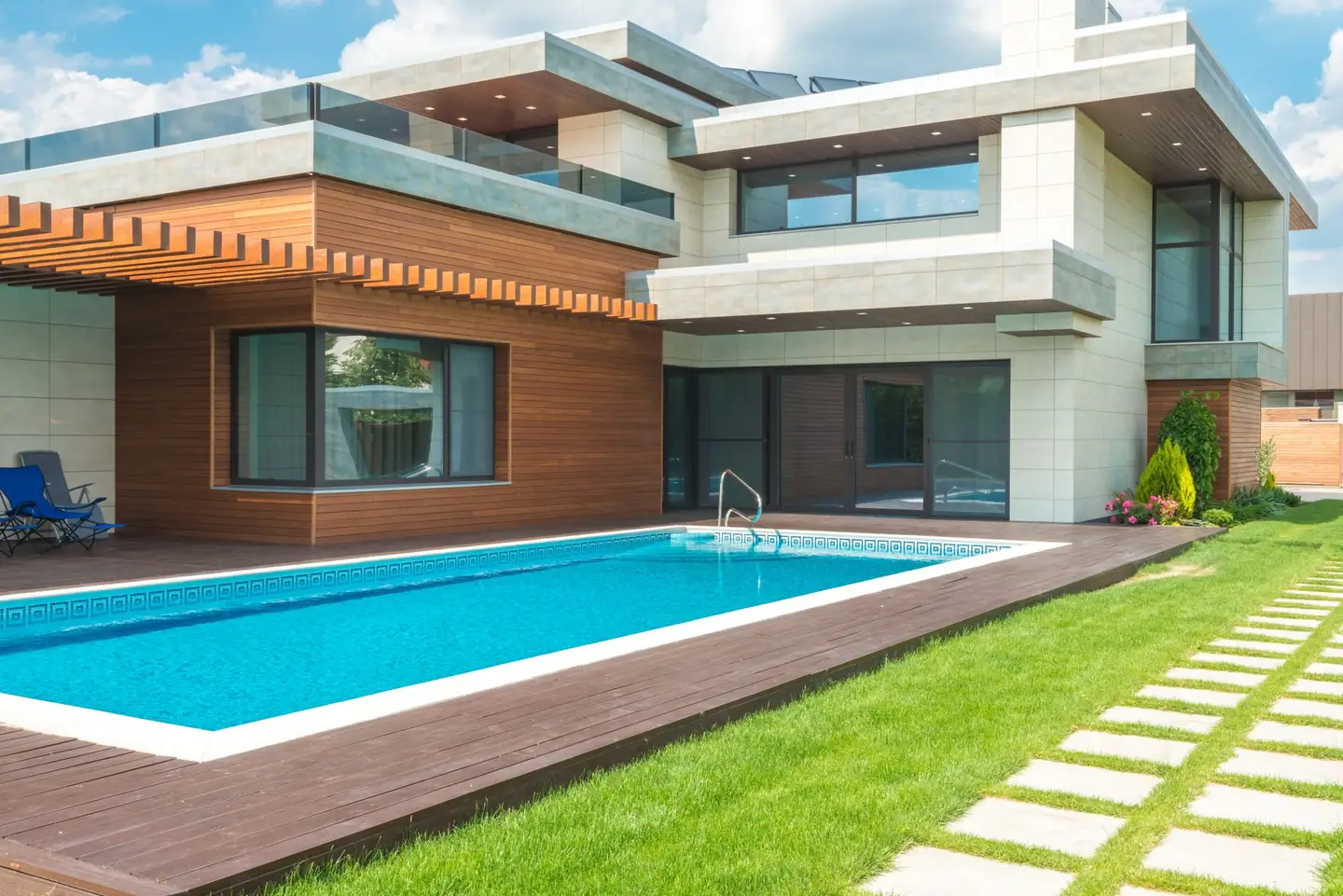
Our Pool Building Services in Ashby Heights
-
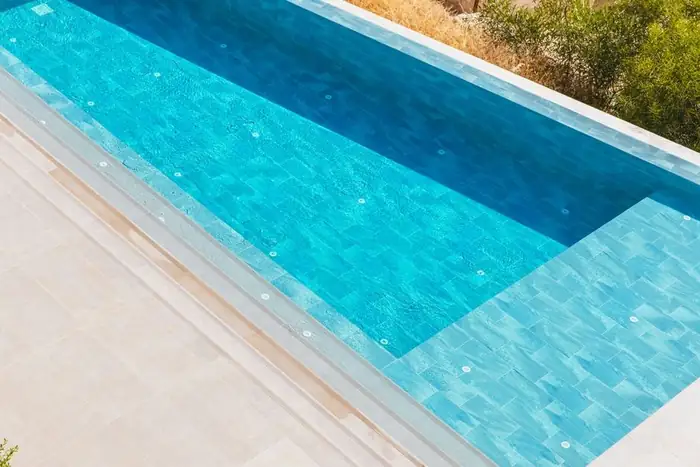
Concrete Pool Construction in Ashby Heights
Engineered, steel-reinforced concrete pools built to last for decades across Ashby Heights and the wider Clarence Valley area.
-
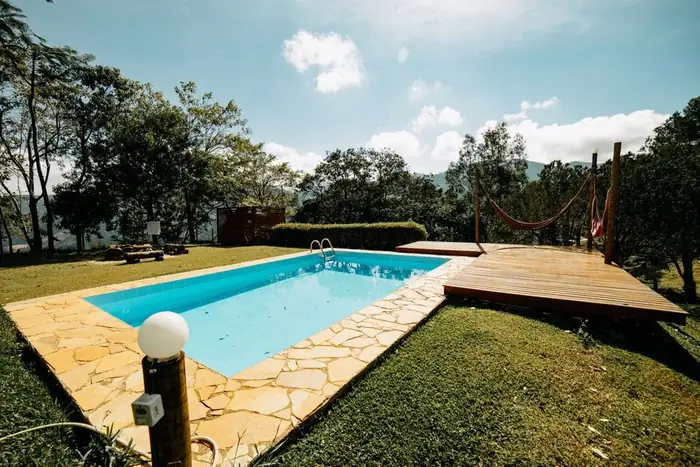
Fibreglass Pool Installation in Ashby Heights
Fast, low-maintenance fibreglass pools craned into place for Ashby Heights homes, and often swim-ready within one to two weeks.
-
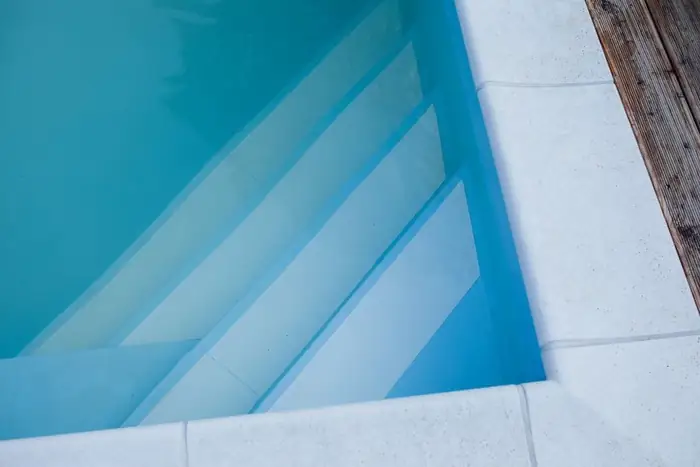
Plunge Pool Construction in Ashby Heights
Deep, small-footprint plunge pools for tight inner-Clarence Valley blocks, built in either concrete or fibreglass to fit the space exactly.
-
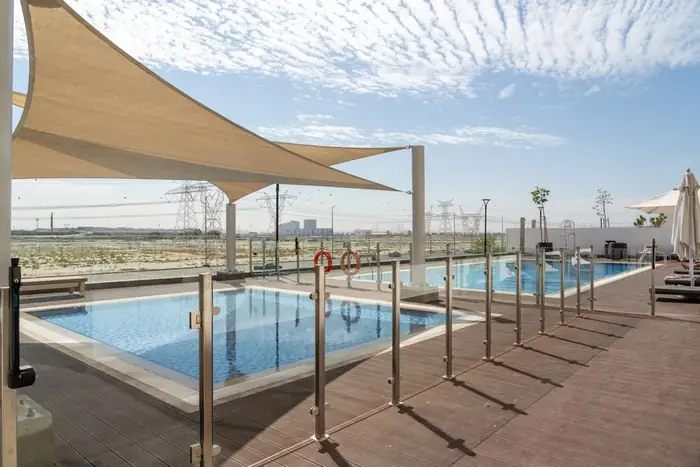
Pool Fencing & Safety Barriers in Ashby Heights
Pool fencing across Clarence Valley that meets NSW barrier law: correct height, self-closing gate and a clear non-climbable zone.
-
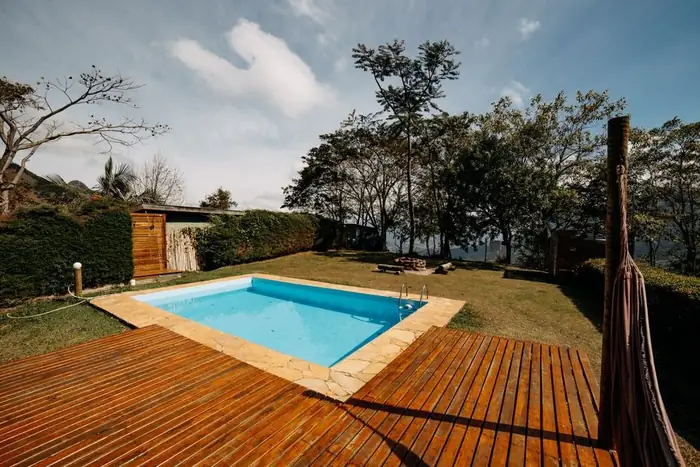
Pool Decking & Paving in Ashby Heights
Pool surrounds for Clarence Valley blocks: travertine, porcelain and concrete pavers or timber and composite decks that last.
-
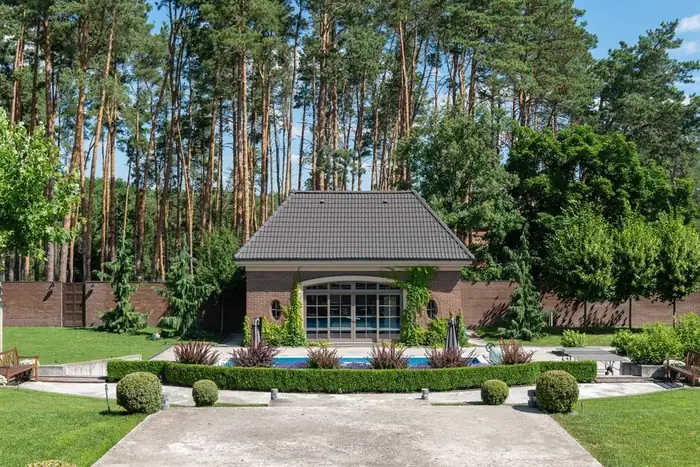
Pool Landscaping & Surrounds in Ashby Heights
Pool surrounds designed for Clarence Valley blocks and the Coffs Harbour - Grafton climate, using durable, low-maintenance materials around the water.
Pool Construction Across Ashby Heights 2463
A pool changes how a household uses its outdoor space through a Coffs Harbour - Grafton summer, and the building of one runs through a clear sequence of stages. A Ashby Heights builder assesses the site first, looking at access, fall and the position of services and trees, then settles on a design and a pool type that genuinely fit the block rather than forcing a standard shape onto an awkward yard. From there the project moves through approval, excavation, the pool shell, the plumbing and filtration, the compliant barrier and the finishing trades. Concrete pools are formed and sprayed on site and can be shaped to almost any brief; fibreglass shells are craned in and install considerably faster. Either path is workable in Ashby Heights given the right preparation. Local knowledge matters at every step, because what is achievable on a flat double block differs from what suits a sloping or narrow site, and the approval route varies with the property and the relevant Clarence Valley controls. Managing the trades in the right order keeps a build moving and avoids the delays that come from poor sequencing. The aim throughout is a pool that suits your family, your yard and the way you actually intend to use it.
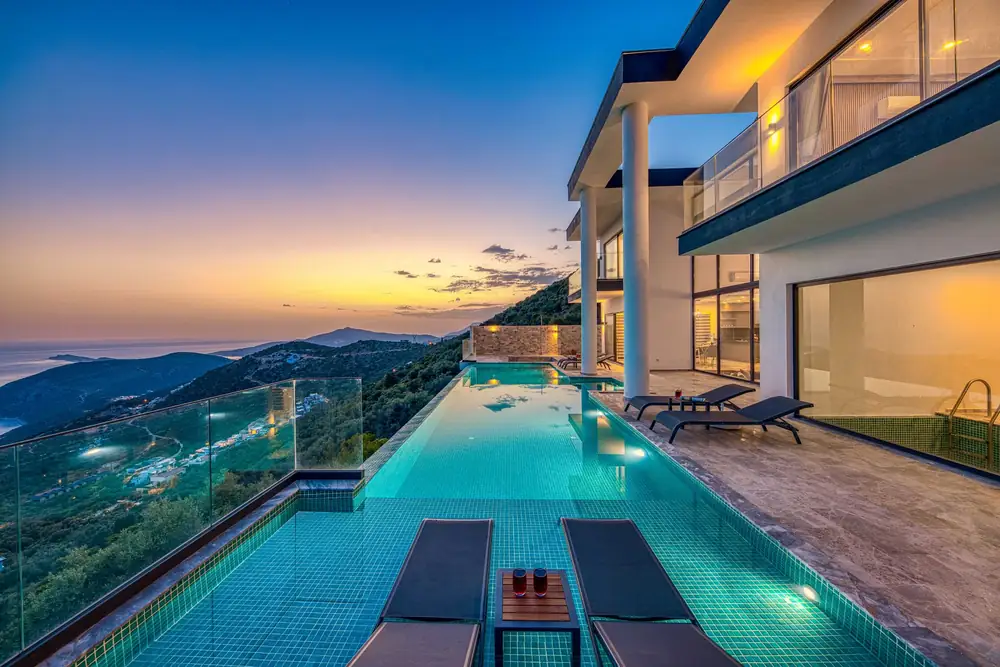
The Range of Pool Work Available in Ashby Heights
Pool work across Ashby Heights covers far more than a single standard build. New pools are constructed in both concrete and fibreglass: concrete is formed and sprayed on site and can be shaped to almost any design, including feature edges and integrated spas, while fibreglass arrives as a moulded shell and installs in a fraction of the time. For smaller Clarence Valley blocks there are plunge pools that pack a cooling pool into a tight courtyard, and for the fitness-minded there are lap pools that fit along a narrow side yard. Beyond new construction, plenty of Ashby Heights homes need renovation rather than a fresh build, whether that means resurfacing a worn interior, reshaping an older pool, replacing tired paving or upgrading dated filtration. Safety fencing is a service in its own right, since every pool in New South Wales must carry a barrier meeting AS 1926.1, and heating systems extend the swimming season well beyond the warmest weeks. Landscaping and paving turn the area around a pool into a usable outdoor space rather than a bare slab. Taken together, this range means a homeowner in Ashby Heights can build new, modernise an existing pool, or address a single element such as fencing or resurfacing as a standalone job.
- Concrete Pool Construction in Ashby Heights
- Fibreglass Pool Installation in Ashby Heights
- Plunge Pool Construction in Ashby Heights
- Lap Pool Construction in Ashby Heights
- Infinity & Wet-Edge Pools in Ashby Heights
- Small & Courtyard Pools in Ashby Heights
- Pool Renovation & Remodelling in Ashby Heights
- Pool Resurfacing & Interiors in Ashby Heights
- Pool Fencing & Safety Barriers in Ashby Heights
- Pool Landscaping & Surrounds in Ashby Heights
- Pool Decking & Paving in Ashby Heights
- Pool Heating & Solar in Ashby Heights
- Saltwater Pool Systems in Ashby Heights
- Mineral Pool Systems in Ashby Heights
- Spa & Spa-Pool Installation in Ashby Heights
- Pool Repairs & Leak Detection in Ashby Heights
Choosing a Pool Type for a Ashby Heights Home
Working out which pool suits a Ashby Heights property starts with the block itself. A flat, generous yard opens every option, whereas a sloping or narrow site narrows the field and rewards careful matching. Concrete pools are the most adaptable, since they are formed on site and can follow the contours of a difficult Clarence Valley block, hold a custom shape or carry a feature edge; they sit at the upper end on cost, roughly $55,000 to $120,000 and above, and take the longest to finish. Fibreglass pools trade that flexibility for speed and value, with a craned-in shell that is swimming sooner, costs around $35,000 to $75,000 installed and needs less ongoing attention thanks to its smooth surface. Beyond the two main structures, a plunge pool packs a deep, refreshing pool into a courtyard, a lap pool makes a fitness lane out of a side yard, and an infinity pool turns a raised outlook into the centrepiece of the design. A small courtyard pool is often the answer where space is genuinely tight. Each type answers a different combination of block size, budget and use, so a Ashby Heights household is best served by matching the structure to its own site and intentions rather than to a fixed idea.
Which Pool Suits Your Ashby Heights Property
Picking a pool for a Ashby Heights home comes down to how the strengths of each type line up with the block, the budget and the intended use. Concrete delivers complete design freedom and exceptional longevity, since it is formed and sprayed in place and can be shaped to any block, including awkward or sloping Clarence Valley sites, and finished with high-end features; the trade-off is the highest cost and the longest build, typically a few months. Fibreglass takes the opposite approach, with a moulded shell craned in for a quick install, a low-maintenance gelcoat finish and lower running costs, the catch being that shape and size are set by the available moulds. Two further options earn their place on smaller properties. A plunge pool fits a tight courtyard or terrace, giving a deep, cooling pool with room for swim jets and heating, and a lap pool makes use of a narrow Coffs Harbour - Grafton side yard for daily swimming. The way to decide for a Ashby Heights backyard is to weigh space against budget against purpose: a fully bespoke design points to concrete, a fast and economical pool points to fibreglass, a small block points to a plunge pool, and a fitness focus points to a lap pool.
The Stages of Pool Construction in Ashby Heights
The order of work on a Ashby Heights pool rarely changes, and each stage sets up the next. Design and a fixed price come first, settling the pool's size, position and inclusions against the realities of the site. Approval follows, taking one of two NSW routes depending on the block: a CDC signed off by a private certifier, or a DA assessed by Clarence Valley council. Set-out then transfers the design onto the ground and excavation begins, the depth and difficulty governed by the soil and any rock under the surface across Coffs Harbour - Grafton. Reinforcing steel and the underground plumbing are installed, after which the shell is built. A concrete shell is sprayed against the steel and formed in place, giving full control of shape; a fibreglass shell arrives complete and is craned in, which is why it lands so quickly. Once the shell is set, attention turns to the surrounds: paving and coping, an AS 1926.1 safety barrier, the interior finish and filling. Filtration, the chlorinator or mineral system and any heating are then commissioned. The whole process in Clarence Valley typically runs a number of weeks for fibreglass and a few months for a custom concrete pool, with weather the most common variable.
The Numbers Behind a Ashby Heights Pool Build
Pool pricing in Ashby Heights is best understood as a base shell cost plus everything around it, and the two pool types start from quite different points. Fibreglass is the more economical route, with installed prices across Clarence Valley typically landing in the $35,000 to $75,000 range, while concrete runs higher at roughly $55,000 to $120,000 and beyond for larger or more complex builds. What moves the figure within those bands is mostly the site. A flat block with wide side access keeps machinery and craneage simple, whereas a tight or sloping Coffs Harbour - Grafton site can need retaining, specialised access or a larger crane, all of which add cost. Rock encountered during excavation is a common variable that lifts the dig price. Beyond the shell, the surrounds carry real weight: paving and coping, the safety barrier, decking, electrical, water features and landscaping each add to the total. A properly itemised, fixed-price scope is the tool that makes this clear, breaking the Ashby Heights project into line items so the figure that is approved is the figure that is paid, with provisional allowances flagged where a cost cannot yet be pinned down. Reading two scopes side by side is far more useful than comparing two bottom-line numbers, because it shows where one Clarence Valley builder has included work that another has quietly left out.
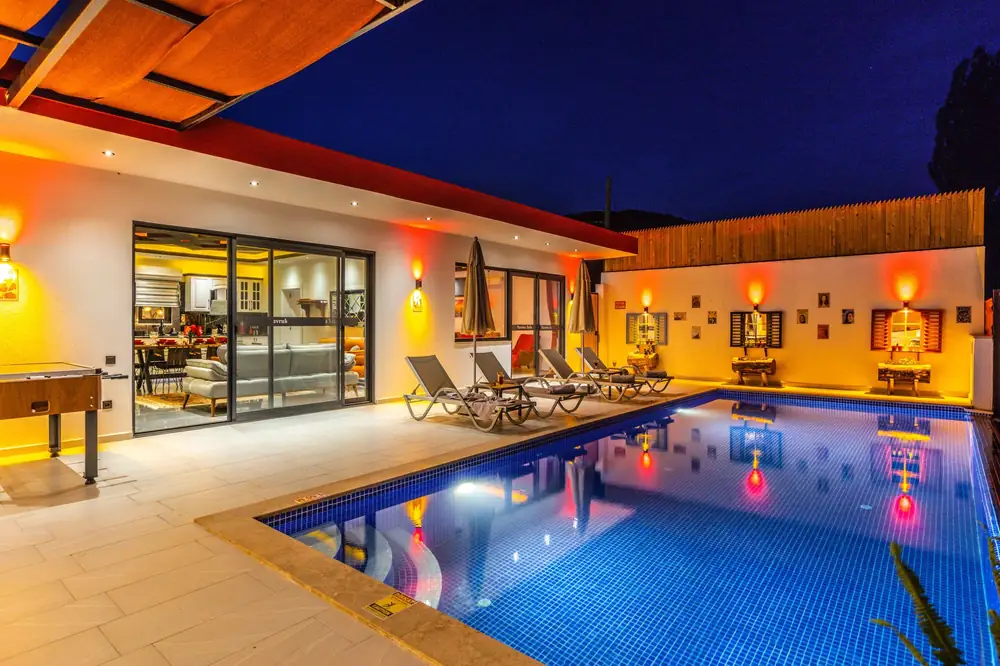
Meeting NSW Pool Safety Requirements
Pool safety is taken seriously across New South Wales, and the rules are well defined once they are laid out. The starting point is approval, which takes one of two forms. A Complying Development Certificate, signed off by a private certifier, suits pools on standard Ashby Heights blocks and is the quicker option. A Development Application, assessed by Clarence Valley council, applies where the block, its overlays or the proposed pool fall outside the complying development criteria. Both routes lead to the same safety obligations. The pool barrier must meet AS 1926.1, which sets a minimum 1200 millimetre fence height, requires a gate that is both self-closing and self-latching, and demands a non-climbable zone so the fence cannot be scaled. After the pool is finished it has to be listed on the NSW Swimming Pools Register, a legal step that must happen before the pool is used, with a compliance certificate confirming the barrier is up to standard. Throughout construction the site operates under SafeWork NSW rules. For a Ashby Heights homeowner, the practical reassurance is that approval, fencing and registration form a known, repeatable sequence, and handling them in the right order produces a pool that is safe and fully legal.
Who Builds Pools Across Ashby Heights and Clarence Valley
Building pools well in Ashby Heights depends heavily on knowing the area, and that is the foundation Aussie Pool Builder works from. The team is licensed and insured for residential pool construction in New South Wales and operates across Ashby Heights, Clarence Valley and the neighbouring Coffs Harbour - Grafton, drawing on local trades who understand the conditions here. Three things in particular make local knowledge count. The first is access: many Ashby Heights properties have constrained side passages or shared driveways, and knowing in advance how excavation gear and a crane will reach the site avoids expensive surprises. The second is the ground itself, since soil type, water table and rock vary widely across Clarence Valley and directly affect engineering, excavation cost and the choice between a sprayed concrete pool and a craned-in fibreglass shell. The third is the regulatory path, because approvals in New South Wales run either as a Complying Development Certificate through a private certifier or as a Development Application through the Clarence Valley council, and a builder who knows which suits a given block saves time. Add in fencing to the AS 1926.1 barrier standard and registration on the NSW Swimming Pools Register, and it becomes clear why a builder rooted in Ashby Heights tends to deliver a smoother build than one without that local grounding.
Signs of a Dependable Ashby Heights Pool Builder
A pool is a long-term investment, so it pays to vet any Ashby Heights builder carefully before committing. The first check is licensing: residential building work in New South Wales requires a current builder licence, and the relevant licence can be verified through the NSW Fair Trading public register, so there is no need to take a builder's word for it. The second is insurance, specifically current public liability cover, which protects a homeowner if something goes wrong on site. The third is the contract itself, which should set out a written, fixed-price scope detailing the pool shell, filtration, fencing, paving and any provisional sums, rather than a vague figure that can drift upward as the job proceeds. Recent local references matter too, since a builder who has completed pools nearby in Clarence Valley can point to real work and real homeowners. A few warning signs are worth heeding: a request for a large cash deposit, reluctance to put inclusions in writing, or an inability to show recent Coffs Harbour - Grafton projects all suggest caution. A dependable builder will also be clear about how approval will run, whether as a Complying Development Certificate through a private certifier or a Development Application through council, and about the compliant fencing the law requires.
Local Building Knowledge for Ashby Heights Pools
The conditions on a Ashby Heights block decide a great deal about how its pool is built, and local knowledge is what turns those conditions into a workable plan. Side access is usually weighed first, because the gap between the house and the boundary controls whether a standard excavator and crane can reach the site or whether a smaller, slower approach is needed; narrow access is common on the older lots across Clarence Valley. Soil and rock come next, with the Coffs Harbour - Grafton ground varying from sand to clay to shallow sandstone, and the presence of rock lifting both the excavation effort and the engineering the shell requires. A sloping site may need retaining or a raised edge to set the pool level, and established trees ask to be protected or removed with care for their roots and the structures nearby. The Clarence Valley council sets the requirements the build must meet, and the approval generally takes one of two routes, a Complying Development Certificate through a private certifier or a Development Application through council, according to the block and the design. The Coffs Harbour - Grafton climate also shapes choices on orientation and materials. A builder who understands Ashby Heights factors all of this into the plan so the construction matches the realities of the site.
What the Coffs Harbour - Grafton Area Means for Your Pool
The Coffs Harbour-Grafton region on the north coast is warm and humid subtropical, with hot summers, mild winters and high rainfall, particularly around Coffs. The swim season is long, broadly October to April, and a heat pump can push a Ashby Heights pool towards year-round use given the mild off-season. Coastal blocks sit on sand and sandy loam that dig easily but may need shoring, while the hinterland and the ranges behind Coffs bring clay and rock on steeper, sloping sites. The Clarence River around Grafton is one of the state's larger floodplains and is genuinely flood-prone, so finished pool and equipment levels need checking against flood mapping. High humidity and salt air reward corrosion-resistant fittings and strong circulation. Steep hinterland sites often suit a partly raised or split-level design, while coastal yards make the most of afternoon sun across Clarence Valley.
Ashby Heights Pool Building FAQs
- What does a pool cost to build in Ashby Heights?
- In Ashby Heights, fibreglass pools commonly fall between $35,000 and $75,000 installed, and concrete pools between $55,000 and $120,000-plus, depending on size and finishes. Tricky access and soil conditions across Coffs Harbour - Grafton can shift the price, which is why an itemised, fixed-price scope for your exact Clarence Valley site gives the most accurate figure.
- Should I choose a concrete or fibreglass pool?
- Concrete pools offer full design freedom in any shape, size or depth and suit unusual or sloping Ashby Heights blocks, but they cost more and take longer to build. Fibreglass pools install faster, cost less and need less maintenance, with a smooth gelcoat finish. The right choice in Clarence Valley comes down to your block, your budget and how you plan to use the pool.
- What is the typical pool build timeline in Ashby Heights?
- Most pools in Ashby Heights are finished within a few weeks to a few months, depending on type and complexity. Fibreglass is the quickest path to swimming; concrete takes longer because every stage is built in place. A clear construction schedule set before work starts keeps each Clarence Valley build on track from excavation to handover.
- Do I need council approval for a pool in NSW?
- Yes. Most pools in Ashby Heights are approved either as a Complying Development Certificate through a private certifier or via a Development Application lodged with Clarence Valley council. The pathway depends on your block size, setbacks and any local controls. Approval is part of any properly run pool build in New South Wales.
- What is the timeframe for getting a pool approved in NSW?
- A Complying Development Certificate is the quicker route in New South Wales and can be issued in weeks when the pool meets all the relevant criteria. A Development Application with Clarence Valley council usually runs longer because of the formal assessment process. Site complexity, setbacks and how complete the lodged documents are all influence the timeframe in Ashby Heights.
- What are the pool fencing rules in NSW?
- Every pool in New South Wales must have a compliant child-safety barrier that meets the AS 1926.1 standard. That means the correct fence height, a gate that is both self-closing and self-latching, and non-climbable zones kept clear around the barrier. Once built, the pool must also be listed on the NSW Swimming Pools Register before it can be filled and used.
- How much does it cost to run a pool in Ashby Heights?
- Expect regular outlays for power, water balancing chemicals and top-up water, with heating adding to the total when used. Choosing an efficient variable-speed pump, a salt or mineral chlorination system and a cover reduces day-to-day running costs across the year. Maintenance is straightforward on a well-built Ashby Heights pool with quality equipment in Clarence Valley.
- Can you build a pool on a small or sloping Ashby Heights block?
- Yes. Plunge pools and compact lap pools are designed for small Ashby Heights courtyards and narrow side spaces, making the most of a tight footprint. Sloping Coffs Harbour - Grafton sites are handled with retaining, engineered footings or elevated decking. An on-site assessment of access, soil and slope determines the best design for the block.
- What pool heating options work in Ashby Heights?
- Heating lets a Ashby Heights household swim for far more of the year. Solar collectors suit homes with good roof exposure, heat pumps draw warmth from the air efficiently, and gas suits fast or intermittent heating. The right choice depends on pool size, budget and how often it is used, and a cover sized to the pool makes any system in Clarence Valley work harder.
- Saltwater, mineral or chlorine: which pool system is best?
- A saltwater system generates chlorine from a small amount of salt, so there is no handling of harsh chemicals and the water feels softer. Mineral systems use magnesium and potassium for water that is gentler again on skin and eyes. Traditional chlorine is dosed manually and is the lowest-cost setup. Many Ashby Heights homes choose salt or mineral for comfort and easier upkeep.
- What is included in a typical pool build, and what site access is needed?
- A standard Ashby Heights build typically covers design, approval, set-out and excavation, the pool shell, plumbing and filtration, a compliant safety barrier, paving and the interior finish. Machinery needs clear side access to reach the dig, and a fibreglass shell requires room for a crane to swing in. An itemised scope sets out exactly what the fixed price includes on your Clarence Valley block.
- Are pools built in Ashby Heights covered by a warranty?
- All work is covered by warranty, with full builder licensing and insurance held in NSW. Concrete pools carry a structural warranty on the build, and fibreglass shells add the maker's warranty on top. The exact inclusions, terms and durations are detailed in the written contract so the cover on your Clarence Valley pool is clear from the outset.
Other Suburbs We Serve in Clarence Valley
Brooms Head Pool Builders
Gulmarrad Pool Builders
Ilarwill Pool Builders
Jacky Bulbin Flat Pool Builders
James Creek Pool Builders
Maclean Pool Builders
Palmers Channel Pool Builders
Palmers Island Pool Builders
Sandon Pool Builders
Shark Creek Pool Builders
Taloumbi Pool Builders
The Sandon Pool Builders
Townsend Pool Builders
Tullymorgan Pool Builders
Bean Creek Pool Builders
Bingeebeebra Pool Builders
Bonalbo Pool Builders
Boomoodeerie Pool Builders
Bottle Creek Pool Builders
Bulldog Pool Builders
Bungawalbin Pool Builders
Busbys Flat Pool Builders
Camira Pool Builders
Camira Creek Pool Builders
Capeen Pool Builders
Chatsworth Pool Builders
Clearfield Pool Builders
Clover Park Pool Builders
Coongbar Pool Builders
Culmaran Creek Pool Builders
Drake Pool Builders
Duck Creek Pool Builders
Ewingar Pool Builders